In the modern business environment, relying on only one source of energy represents a significant risk for system stability and cost control, which is why they are becoming increasingly important multiple energy sources as a more reliable supply model. When companies rely solely on fossil fuels or a single electricity supply channel, they become exposed to price fluctuations, supply chain disruptions and regulatory changes. Such an approach can lead to higher costs in periods of peak consumption, but also to interruptions in work.
The increasing volatility of the energy market and the rising costs of emissions further increase the unpredictability of the price of electricity. In such conditions, reliance on a single source of energy can directly affect business continuity and financial stability of companies.
This is why more and more organizations are switching to the concept of multiple energy sources and hybrid energy systems. By combining renewable sources such as solar and wind energy, with the support of the power grid and energy storage systems, it is possible to achieve greater flexibility, stability and control over consumption. This approach enables the reduction of energy costs, greater resistance of the system to disturbances and more sustainable management of energy resources in the long term.
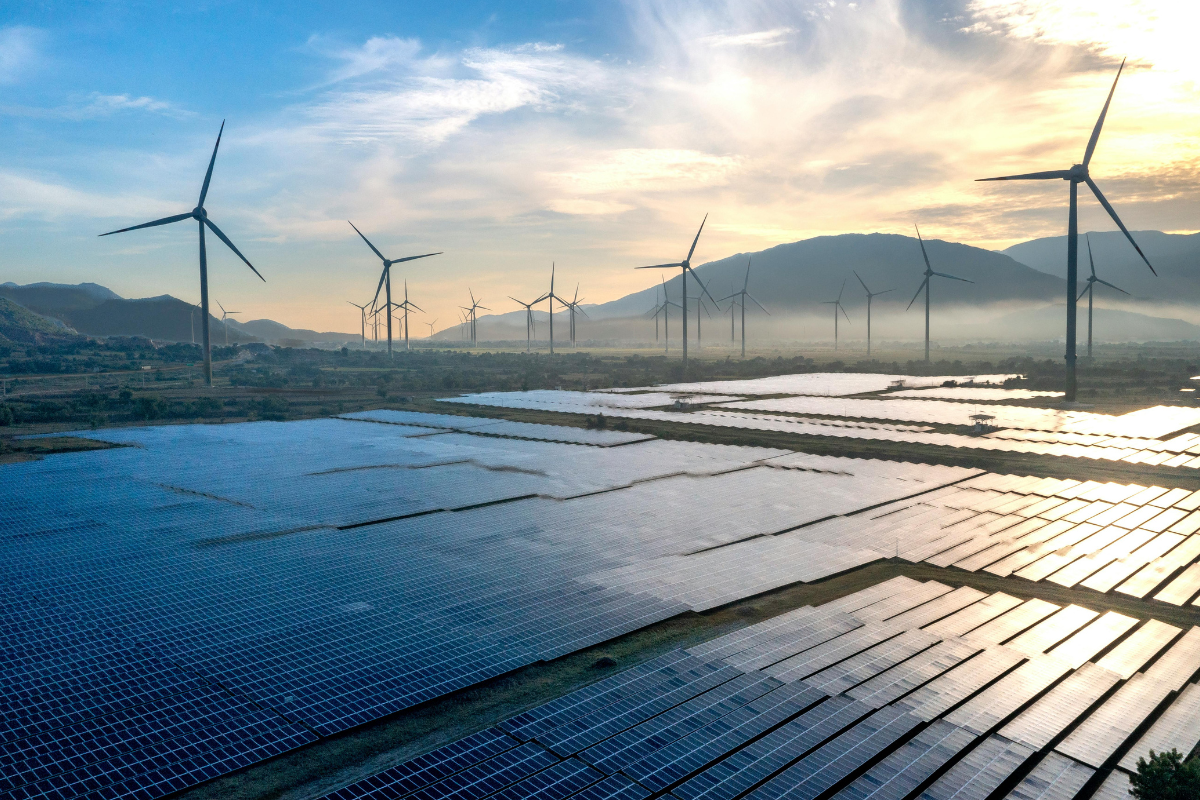
What are multiple energy sources?
Multiple energy sources mean the strategic combination of different technologies and resources for the production of electricity, so that the system can use the most favorable and stable source at any time. In practice, this means integrating renewable energy sources, such as solar and wind energy, with the power grid, flexible generators and battery energy storage.
This approach reduces dependence on fossil fuels and increases the resilience of the energy system. When there is a drop in production from one source, the other takes over, optimizing energy consumption, reducing costs and further improving energy efficiency.
Definition and concept
The concept of multiple energy sources implies combining different technologies for the production of electricity that are used in a coordinated manner to ensure minimum costs and high reliability of the system. This approach includes renewable energy sources such as solar energy and wind energy, but also security resources such as the power grid and generators. Smart energy management, which balances production variability and reduces reliance on fossil fuels, plays a key role in such systems.
How hybrid energy systems work
Hybrid energy systems work by synchronizing different energy sources using advanced controllers, predictive algorithms and battery energy storage. During the day, solar and wind energy can directly power consumers or charge batteries, while excess energy is stored for later use, especially during periods of peak consumption. When production from renewable sources is lower, the system automatically switches to the power grid or local generators. This type of microgrid architecture enables continuity of supply, reduction of peak loads and optimization of energy costs.
Application of renewable energy sources
The application of renewable energy sources in hybrid systems is based on the use of solar and wind energy with precise demand management and energy storage. Solar and wind power provide low operating costs and a clean energy source, while batteries allow variable generation to be stored and used when power is most needed. The integration of renewable energy sources with the power grid and generators reduces price risks and brings more stable tariffs, resulting in optimized electricity production, higher system reliability and measurable savings.
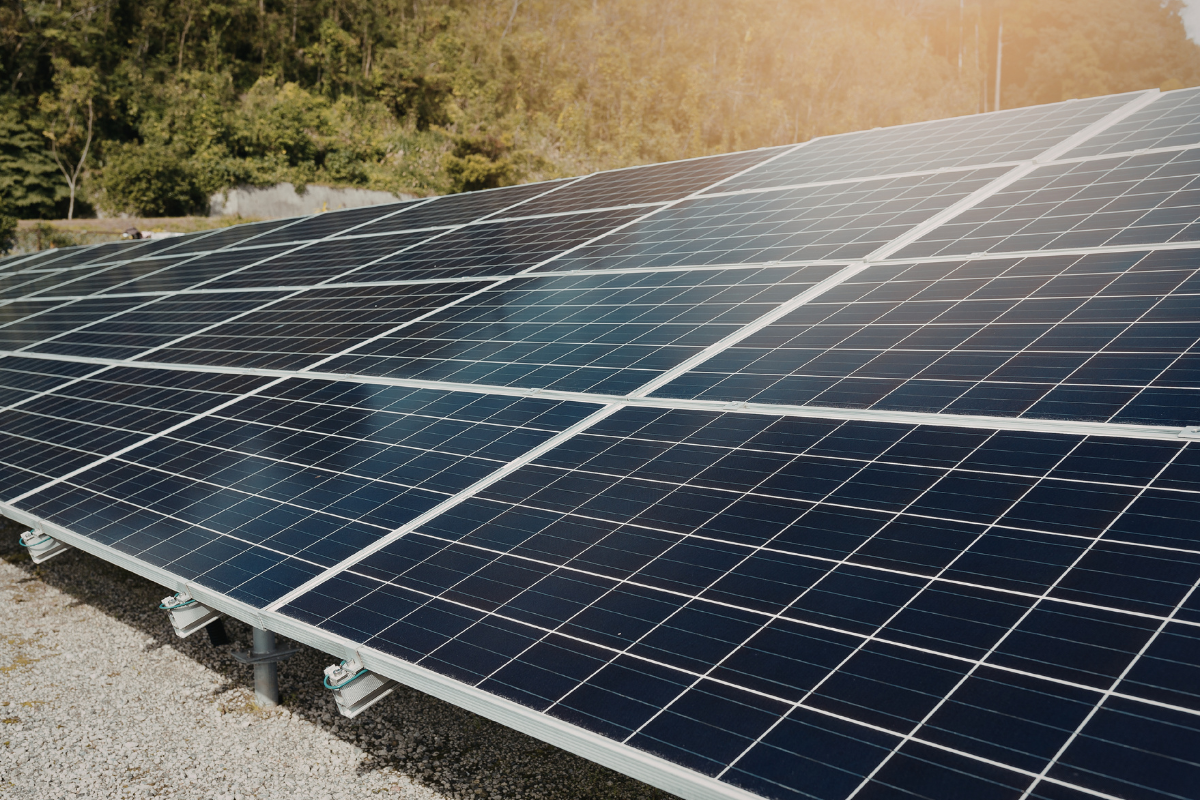
Advantages of multiple energy sources
Multiple energy sources bring concrete business benefits as they combine renewable and conventional technologies for power generation, with greater control over costs and risks. The integration of renewable energy sources with the power grid and battery storage allows energy to be used when it is most available and most convenient, while the stability of the system is ensured by reliable sources during periods of shortage. In this way, dependence on fossil fuels is reduced, energy efficiency is increased and savings are achieved faster. For companies, this means a more resilient energy system and optimized energy consumption throughout the facility's entire life cycle.
Energy stability and flexibility
Energy stability in hybrid systems is achieved by coordinating different energy sources in real time. Solar and wind power provide a clean source of energy, batteries mitigate production variability, while the power grid and generators cover peak loads when needed. Automatic switching between sources ensures continuity and quality of power supply. This flexibility is especially important for industry and commercial facilities, where interruptions in supply can cause large costs, so this approach brings more reliable power supply and lower risk of market shocks.
Optimization of electricity consumption
Smart energy management in a microgrid environment allows energy to be used where and when it brings the most value. The system monitors energy consumption in real time, schedules the use of renewable energy during periods of high production and activates battery storage to relieve peak consumption hours. Integration of data on energy prices, production forecasts and equipment condition enables more efficient system management and maximum energy efficiency.
Reduction of electricity costs
Combining renewable energy sources with the power grid and storage systems enables the optimization of tariffs and the reduction of peak consumption, which directly affects the lower price of electricity. Companies can use energy from solar and wind systems when conditions are most favorable, while batteries allow the generated energy to be stored and used during periods of higher prices. This diversification of energy sources reduces budgetary risks and stabilizes operating costs in the long term.
Application in industry and commercial facilities
Industrial plants and commercial facilities benefit most when multiple energy sources work in coordination to ensure stable power generation and optimize consumption. By combining solar energy, wind energy, power grid, generators and battery storage, a reliable supply is achieved even in situations of outages or high energy prices. Priority use of renewable sources with flexible transition to the grid enables lower costs and greater energy reliability.
The role of smart energy management
Smart energy management connects energy sources, consumers and storage systems into a single system that continuously analyzes energy prices, solar and wind energy production forecasts, as well as equipment condition. Based on that data, the software optimizes the use of renewable sources during periods of high production, while using batteries to deliver accumulated energy during peak tariffs. In this way, more stable electricity production, higher energy efficiency and lower emissions are achieved.
Application of microgrid systems
Microgrid systems enable local balancing of renewable and conventional electricity production, with the possibility of working in parallel with the power grid or completely independently. Within a microgrid architecture, solar and wind power can power priority loads, while battery storage provides power at times of variable generation. When energy prices are high, the system reduces imports from the grid, while in periods of lower prices it can charge energy storage for later use. Adding new sources, such as cogeneration, further increases the flexibility and security of the energy system.
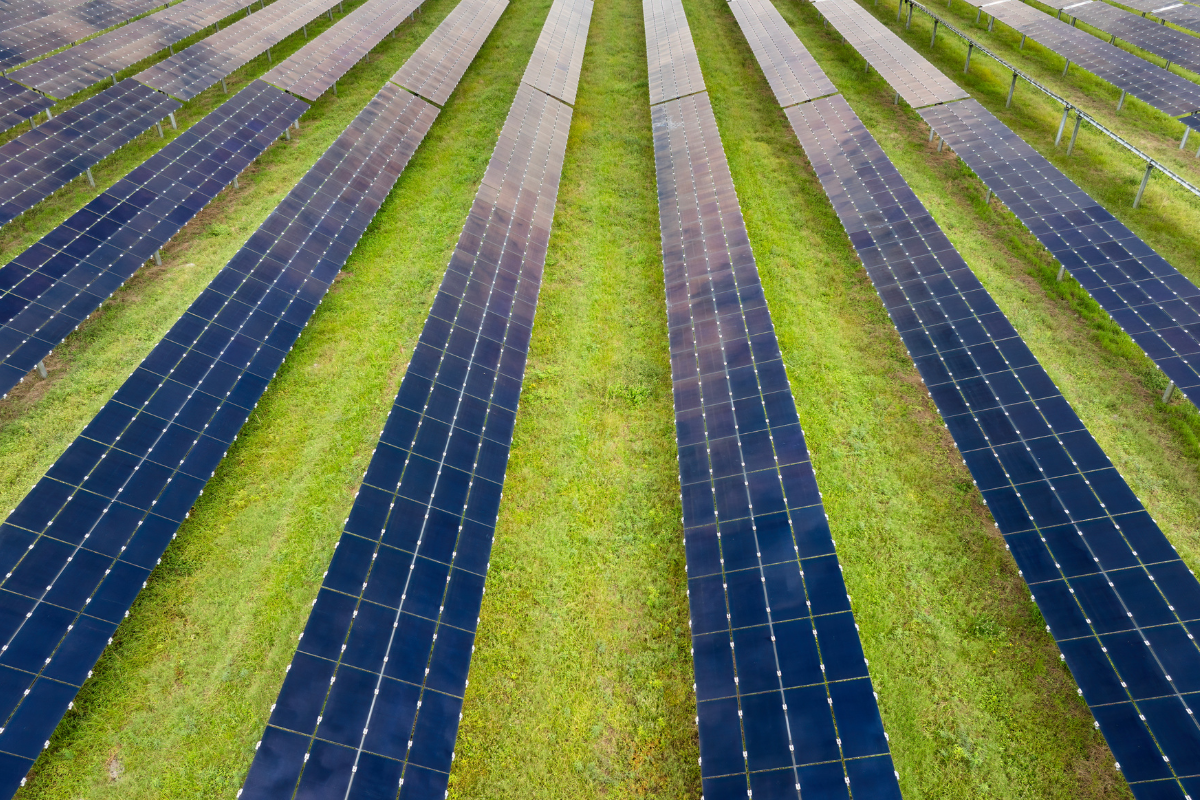
Case studies and examples of successful implementation
Case studies from different sectors show the concrete benefits of applying multiple energy sources. In the food industry, combining rooftop solar systems with battery storage has reduced peak loads and electricity costs by more than 20%. One logistics center, with microgrids and renewable energy sources, ensured continuity of work during grid outages, using renewable sources as the primary energy source, while generators served as a backup solution. Hotels and shopping centers, by integrating wind energy and storage systems, use the excess energy produced during periods of high consumption. These examples show that the hybrid approach brings financial savings, greater system reliability and more efficient use of energy resources.
Conclusion
Hybrid energy systems and multiple energy sources represent a practical response to the risks associated with fossil fuels and volatile energy prices. By combining renewable and conventional technologies, with the application of microgrid architecture and smart energy management, companies can achieve greater stability, flexibility and lower electricity consumption costs.
The use of energy from renewable sources, supported by battery storage and the power grid, enables a reliable supply even for critical loads. This approach reduces dependence on fossil fuels and enables more efficient management of energy consumption, with lower overall costs and more predictable investment planning.
As energy relies more and more on renewable sources, digitalized management and local microgrid systems, companies that invest in hybrid solutions in time can achieve significant savings, greater operational reliability and long-term sustainability, with more stable energy costs and greater competitiveness in the market.
Companies looking to implement such solutions can learn about advanced hybrid energy systems, microgrids and energy management technologies at gehybrid.com, where innovative solutions are available to optimize energy consumption and increase energy stability in industry and commercial facilities.

 Serbian
  English
  German
  Russian
  French
  Chinese
  Spanish
  Italian
  Macedonian
  Croatian
  Romanian
  Hungarian
  Bulgarian
  Hebrew
  Turkish