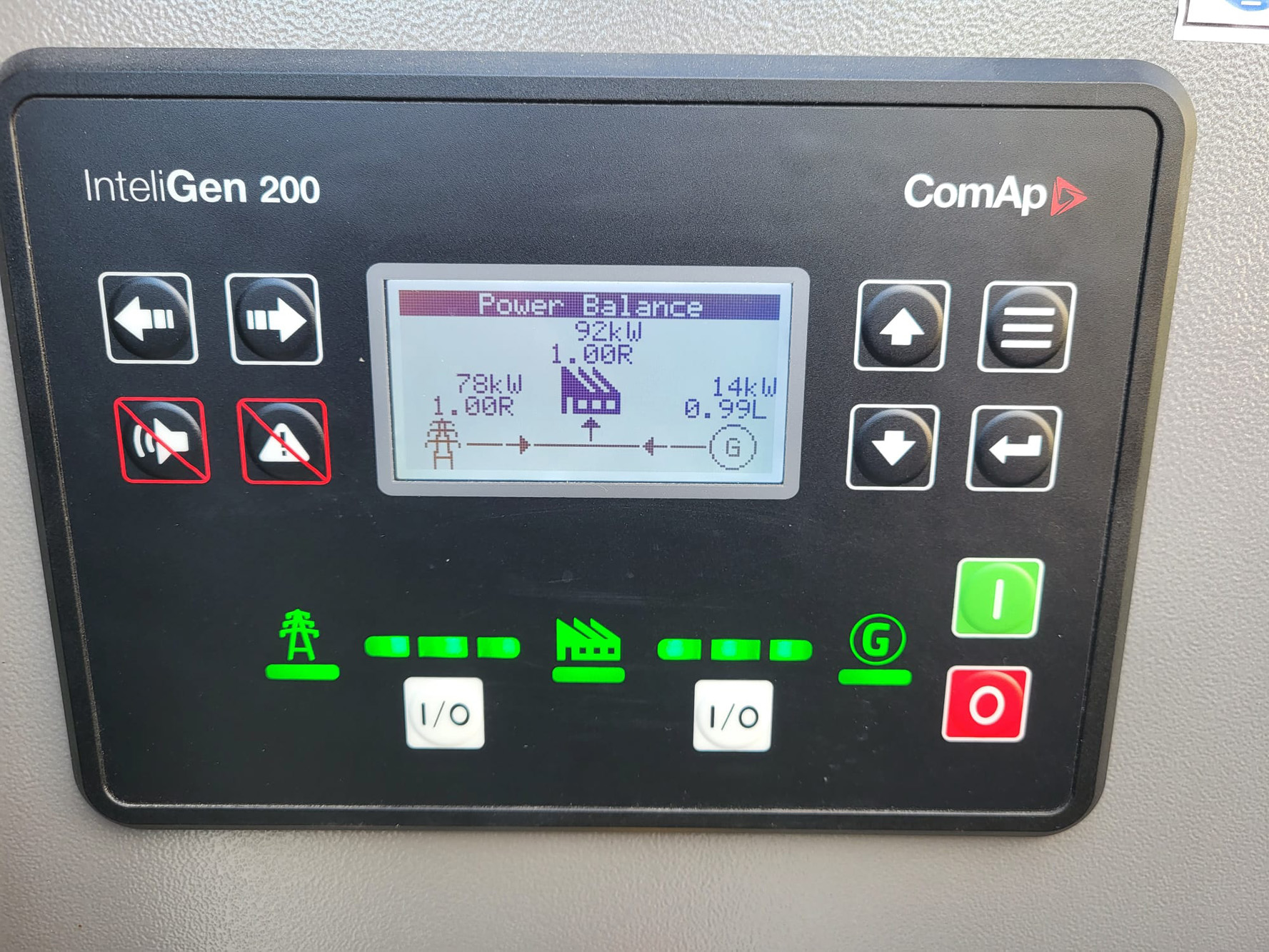
In the modern business environment, where stable and efficient energy management is key to business continuity, companies are increasingly switching to digital solutions that enable real-time system control. Easy energy control always and everywhere becomes a standard, not an advantage, because it enables consumption optimization, faster reaction to changes and greater security of power supply. In this way, energy is no longer viewed only as an expense, but as a resource that is actively managed in order to increase efficiency and competitiveness.
With the development of smart energy systems, management is no longer tied to physical presence on site. Thanks to advanced energy management platforms, it is possible to monitor and control the operation of the system from anywhere — via computer, tablet or mobile device. Such availability of data in real time enables faster decision-making, better consumption planning and timely response to potential problems, which further increases the reliability and stability of energy systems.
What does remote energy management mean?
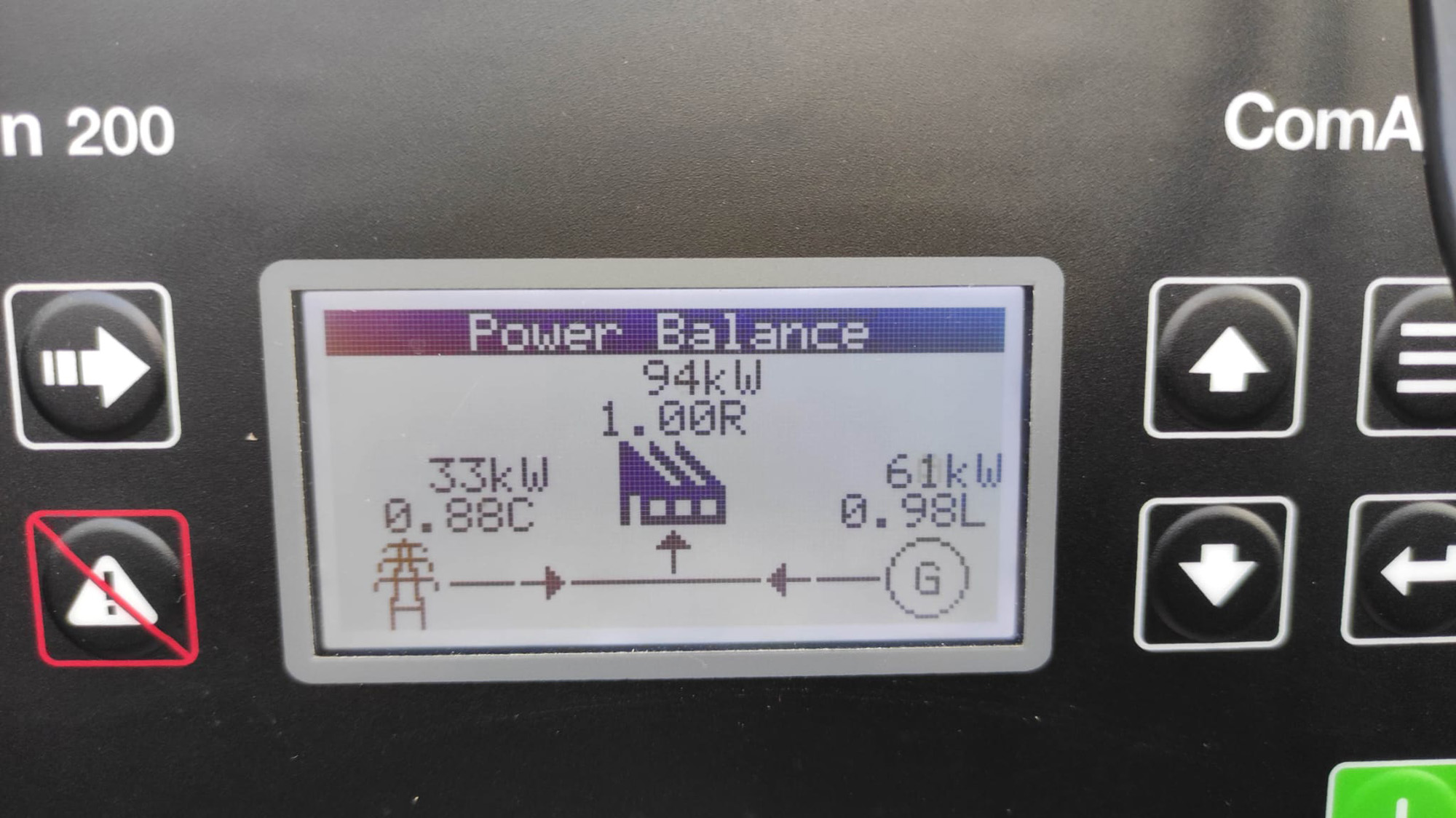
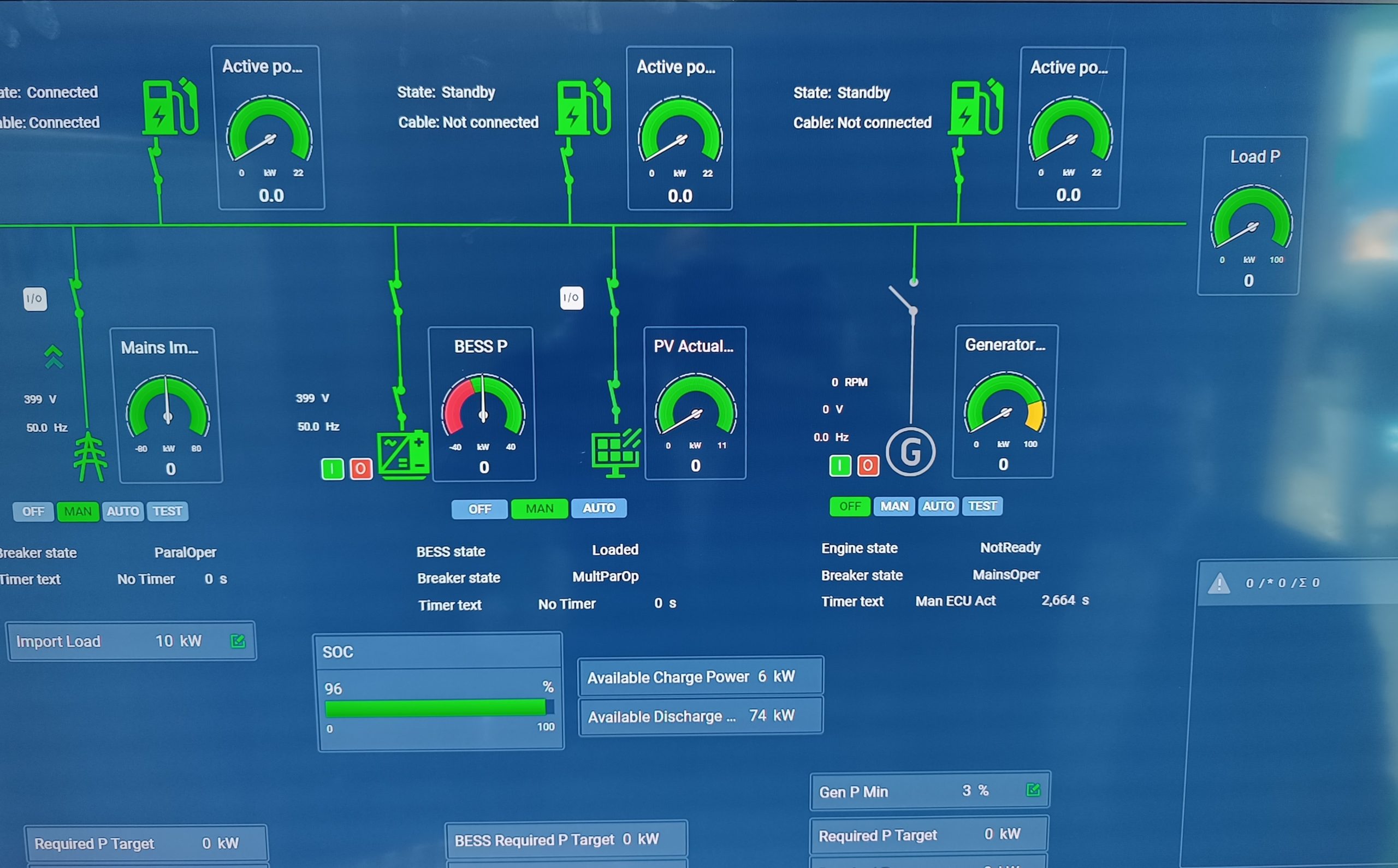
Remote energy management involves the use of software platforms that enable monitoring, analysis and control of energy systems in real time. Such systems connect various components — renewable energy sources, battery storage, the power grid and consumers — into a single digital infrastructure.
In this way, users have complete insight into:
-
electricity consumption
-
system and equipment condition
-
performance of renewable sources
-
battery system operation
All information is available in one place, which significantly facilitates decision-making and energy management.
The benefits of "anywhere" control„
One of the biggest advantages of such a system is flexibility. Energy management is no longer limited to the control room or the physical location of the facility.
Companies can:
-
react to changes in consumption in real time
-
optimize system operation without going to the field
-
quickly spot and solve potential problems
-
reduce operating costs
This approach is particularly important for industry and commercial facilities that have multiple locations or complex energy systems.
Integration with hybrid energy systems
Remote energy management has a key role in the operation of hybrid energy systems. In such systems, where solar energy, battery storage, grid and often back-up sources are combined, precise coordination of all components is necessary.
Smart software allows:
-
automatic switching between energy sources
-
optimization of the use of renewable resources
-
battery charge and discharge control
-
stable power supply without interruption
In this way, the maximum efficiency and reliability of the system is achieved.
Role in microgrids
In microgrid systems, remote control is even more important. Microgrids can operate independently of the power grid, which means that all sources and consumers of energy need to be precisely managed.
With the help of digital platforms it is possible to:
-
maintain stable voltage and frequency
-
manage spending priorities
-
react in case of power failure
-
ensure the continuity of critical systems
Such control significantly increases the security and resilience of the energy system.
Optimization of costs and energy efficiency
One of the key benefits of remote energy management is cost reduction. The system analyzes electricity prices, consumption and resource availability in real time, and optimizes the system's operation based on that.
This allows:
-
using energy when it is cheapest
-
reduction of peak loads
-
better use of own energy production
-
long-term cost stability
For companies, this means greater control over the budget and more efficient planning.
The future of energy management
As energy systems become increasingly digitized, remote control is becoming the industry standard. Integration with smart grids, battery systems and renewable sources enables companies to move to a more sustainable and efficient business model.
In the future, even greater automation is expected, the use of artificial intelligence and advanced algorithms that will further improve energy management and reduce the need for manual interventions.
Conclusion
Easy energy control always and everywhere is a key step towards modern, efficient and sustainable management of energy systems. Remote monitoring and management enables companies to optimize consumption, reduce costs and increase power reliability regardless of location. At the same time, this approach brings greater flexibility and better control over the entire energy processes, which is especially important in a dynamic business environment.
Companies that want to improve energy management and implement advanced digital solutions can learn more about modern technologies at gehybrid.com.

 Serbian
  English
  German
  Russian
  French
  Chinese
  Spanish
  Italian
  Macedonian
  Croatian
  Romanian
  Hungarian
  Bulgarian
  Hebrew
  Turkish