Power outages, price spikes and the growing need for sustainable and efficient business represent significant challenges for modern companies and institutions. In the quest for greater reliability and energy efficiency, microgrids have emerged as a solution that is transforming the way facilities consume, produce and manage electricity. They represent not only a reliable energy reserve, but also a path to complete energy independence and long-term cost optimization.
What are microgrids and why are they crucial?
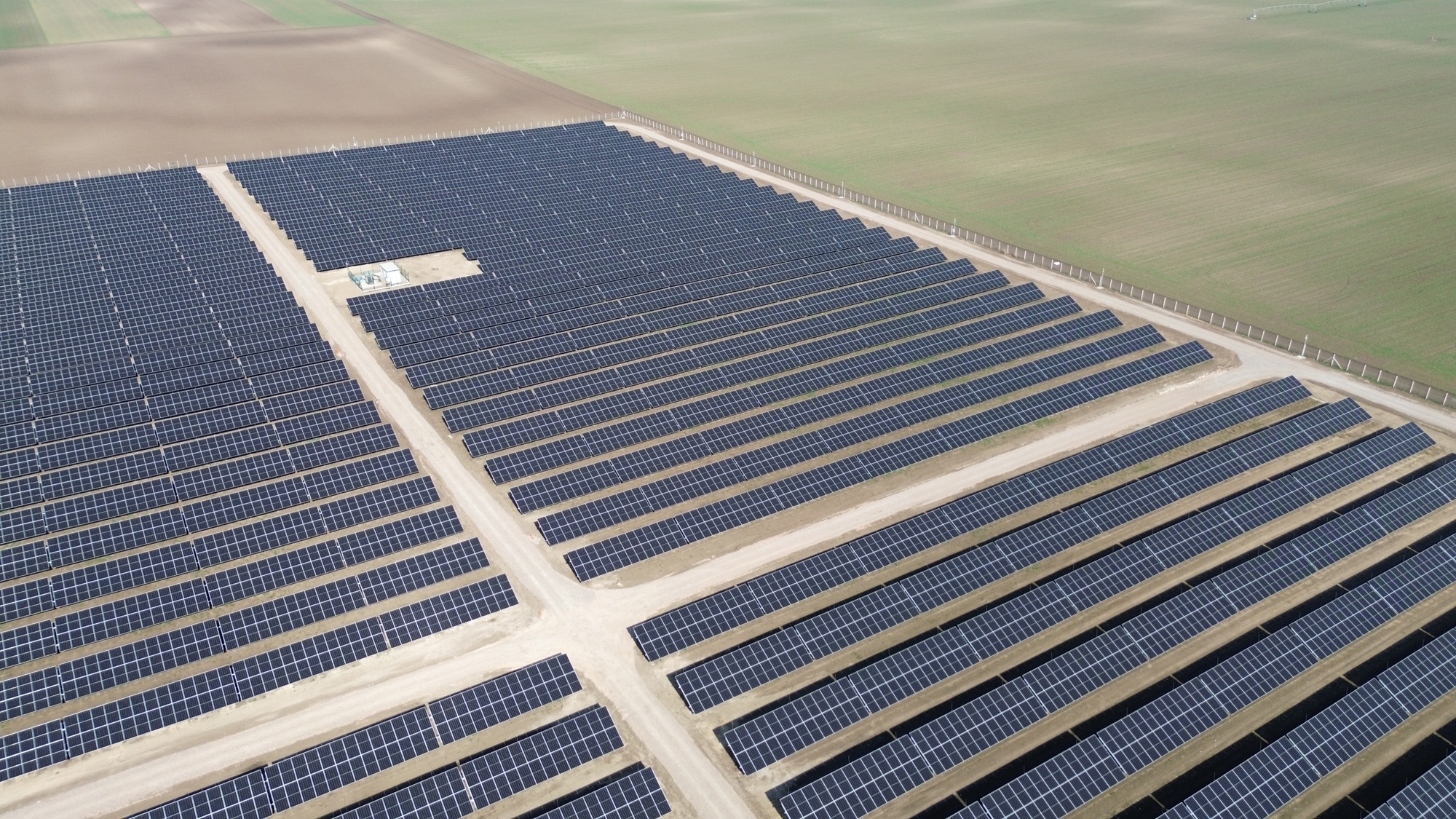
Microgrids are defined as decentralized energy systems that integrate multiple energy sources – most often solar panels, wind turbines, storage batteries, but also classic generators. Unlike facilities that are completely dependent on the central power grid, the microgrid has the ability to function in two ways:
- Connected to the network: While the central grid is active, the microgrid optimizes consumption, reduces costs and uses environmentally friendly sources.
- Iceland mode (fully independent): In case of failure, congestion or interruption of supply from the central network, the microgrid is automatically disconnected and continues to independently supply the critical loads of the facility.
The key value of microgrids lies precisely in this ability: providing reliable security of supply and reducing dependence on the central grid, while simultaneously using batteries and smart management to optimize costs.
Main advantages: Security, savings and sustainability
The implementation of a microgrid brings multiple benefits that directly affect the operational stability and financial efficiency of every company:
- Reliable energy independence: It ensures continuous energy supply even during failures or planned interruptions in the central network. It is of essential importance for hospitals, data centers, factories with continuous processes and other critical infrastructure facilities.
- Savings through smart management: By using modern systems for managing and optimizing energy flows, the microgrid uses energy from the most convenient source at a given time (eg solar energy during the day or batteries at night), thus reducing costs.
- Possibility of integration of renewable sources: Microgrids are the ideal framework for maximizing the use of solar panels, wind turbines and other sustainable energy sources, contributing to the reduction of the carbon footprint.
- Flexibility and adaptability: The possibility of designing the system according to the specific energy needs and the existing infrastructure of each facility.
Three basic operating modes of microgrids
To meet different user needs and technical requirements, three basic types of microgrids have been developed:
- Connected to the network with a backup system
This type of microgrid primarily functions as part of the central grid, but has its own backup sources (such as generators or batteries) that are automatically activated in the event of an outage. It is most often used where reliability is critical, but permanent "Iceland" mode is unnecessary. - Iceland mode (fully independent)
These are fully autonomous systems. They can rely exclusively on local energy sources, supported by battery systems and generators. These systems are ideal for remote locations, islands or facilities that require complete energy independence from the central power system. - Connected to the network without a backup system
These systems are connected to the central network, but work through a central Master control unit, which ensures synchronization, stability and safe operation of the system in accordance with international standards (IEEE 1547, EN50549, UK ENA G99). The focus is on stability and efficient balancing between the grid and local energy sources.
Design and implementation: How to ensure the optimal solution?
Successful implementation of a microgrid requires detailed planning and expertise. Services in this area include:
- Design and installation of the entire microgrid system.
- Integration of all relevant sources: solar panels, wind turbines, batteries and generators.
- Intelligent system management and control to ensure long-term efficiency and cost reduction.
- Maintenance and upgrading of existing systems.
Microgrids are not a universal solution. Green Energy Solutions develops microgrid systems adapted exactly to your needs - from defining capacity and combination of renewable energy sources, to the option of smart management and integration with existing infrastructure.
Don't let energy insecurity threaten your business. Take control of your energy.
Contact us today and create a microgrid solution tailored to your facility, ensuring uninterrupted and sustainable supply.

 Serbian
  English
  German
  Russian
  French
  Chinese
  Spanish
  Italian
  Macedonian
  Croatian
  Romanian
  Hungarian
  Bulgarian
  Hebrew
  Turkish